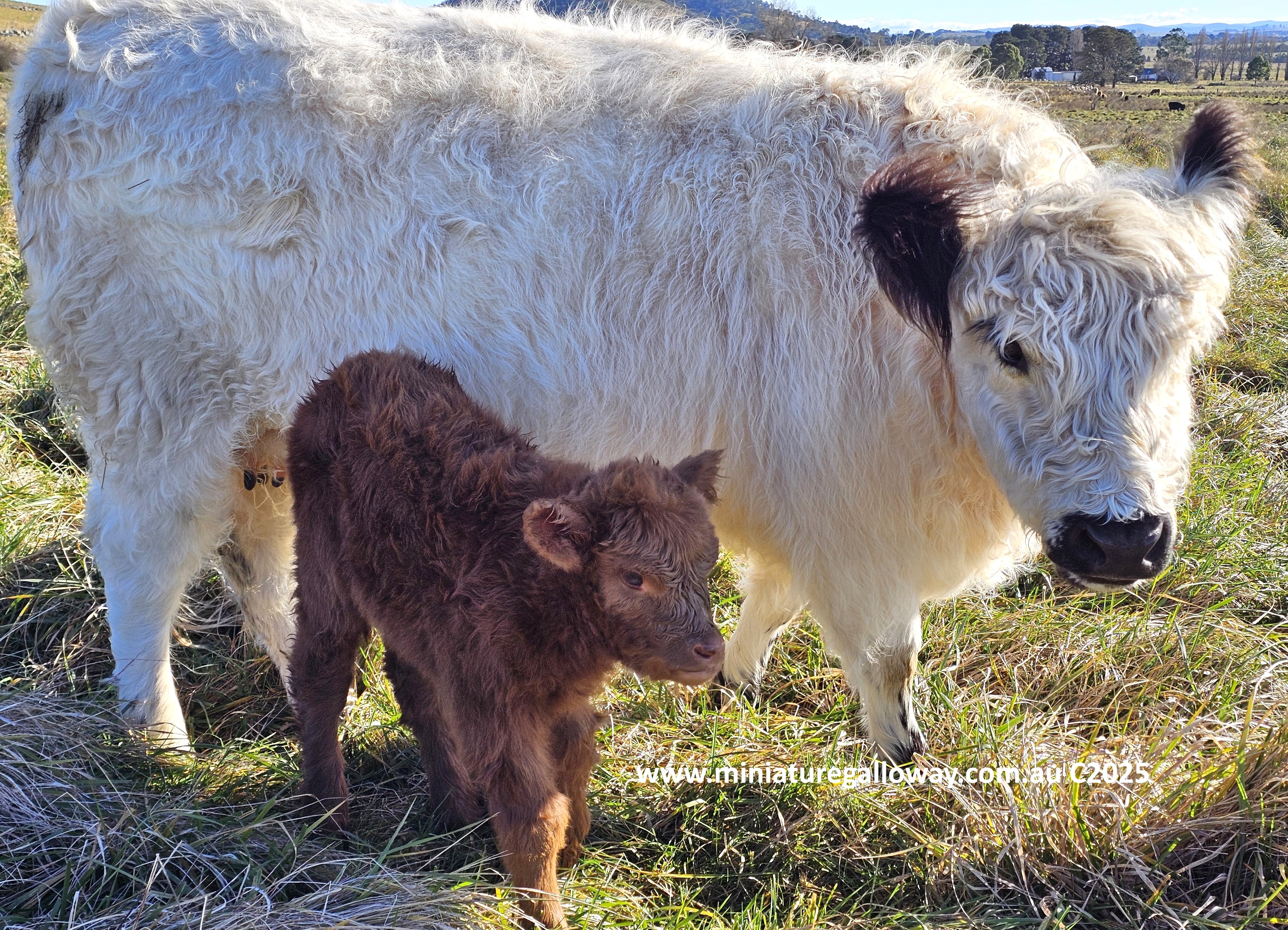
Most of the cattle transportation information online refers to beef cattle sold in large numbers, all moving together. Before beef cattle are transported off a property, they have already been routinely moved around, often separated from their mothers early, separated from their calves early and repeatedly separated from their herd groups (heifers in one paddock, steers in another and cows somewhere else...). Yes, all this and more, even if they are still young animals. Unfortunately for them, these beef cattle have already become hardened to all kinds of stressors.
The beef cattle transportation information available does not take into account stud cattle. Stud cattle being moved in small numbers, from small, bonded herds that have led relatively easy stress free lives. If you have bought high value cattle from us and want them to arrive on your property in good a condition, there are a few important things to consider. This is especially true if you want them to arrive of the same mind, body and soul they were in when they left our property.
Time & Preparation
We will do everything we possibly can to prepare your cattle for the move to their new home. This takes time, especially if cows are in calf or have calved recently.
We will separate the sold cattle from the larger herd and get them used to being a smaller group. The safety in numbers idiom applies to cattle. Cattle feel safer in larger numbers. So, if you are reducing their 'herd' they need time to adjust and learn to feel safe living in a smaller group. They need time to rely on one another, particularly if the move involves a long trip.
We will encourage clients to think carefully about their choice of transportation and the people in charge of the animals during transportation. The easier the trip is on the cattle, the higher the chances of success. Success means pregnant cows arriving at their new home with their pregnancy still intact. Success also means quiet, trusting, people friendly cattle arrive at their new home physically healthy and still trusting humans.
It makes sense when you pay a premium for your cattle that you don't try to make do with poor quality or badly timed transport if it is going to put you at risk of losing a cow or a calf.
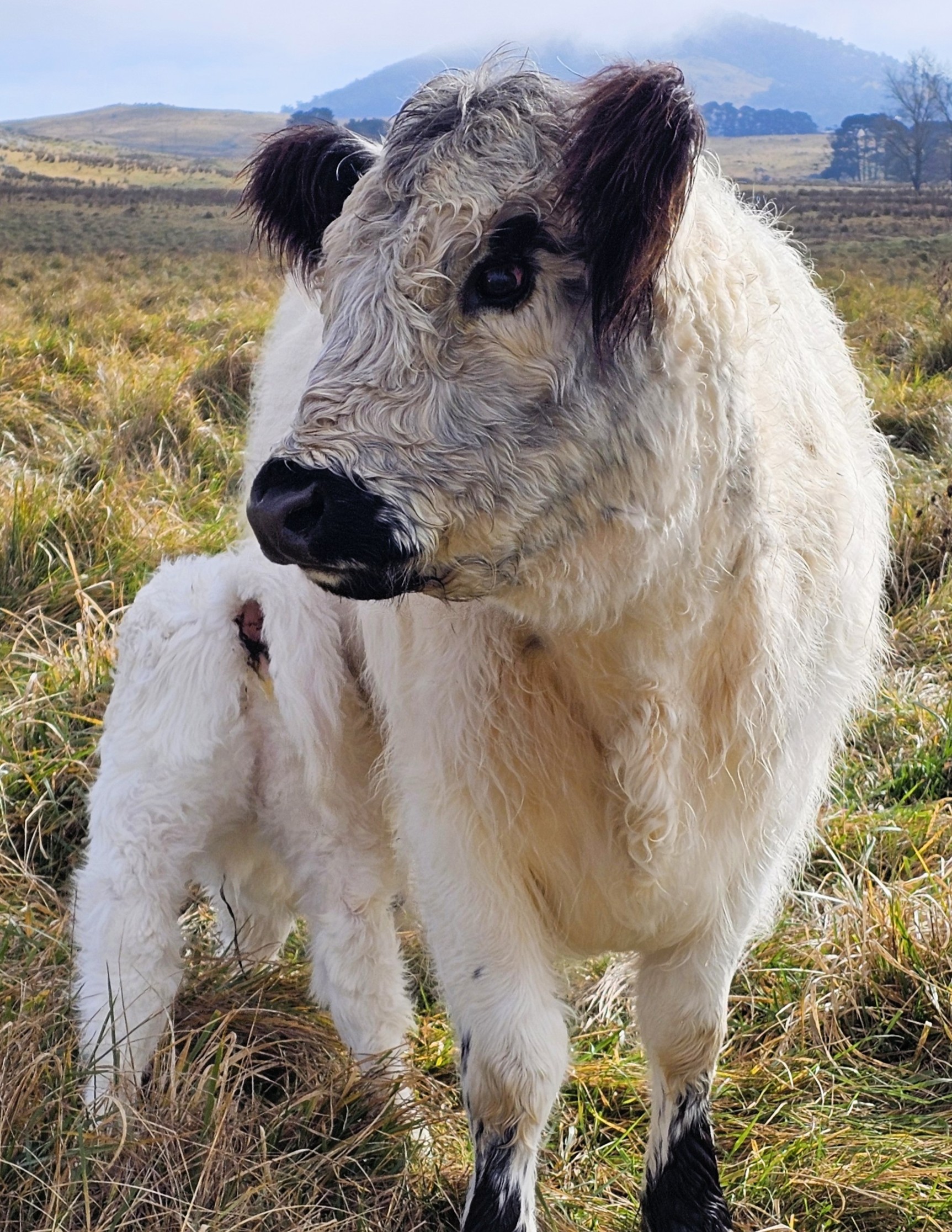
Things We Consider with Our Cows & Calves
We understand the excitement of purchasing our amazing cattle and their gorgeous calves. The strong desire to get them home with you as soon as possible is close to unbearable. We've 'been there' too. However, we also know the pain of a cow losing a calf (the calf being stillborn early or a fetus being lost due to some stressor).
To purchase a cow in calf and discover weeks or months after they arrive home with you that the cow has given birth early to a stillborn calf or she has stopped gaining weight and started showing signs that she is cycling/coming into season again (no longer in calf) is very disappointing. It is not just the loss of life, or about loss money, it is about the loss of time and the loss of the wonderful experience you were so looking forward to enjoying. The kind of loss means you must start all over again. After waiting so long, to not have that precious little fluff ball in the paddock as planned is too awful for words.
Please, also be aware that if your cow has given birth to a dead calf, she will be grieving this loss too. She will be sad, and she will need time for her body to heal before she can get back to a place where she can successfully get pregnant again. The loss of time can be considerable.
Transporting cows with calves at foot also requires some consideration and planning. It is not just about the calf; cows with calves at foot have just given birth to a full set of hooves weighing in at 22 kgs or more. This takes its toll. Giving the cow time to recover enough to be fit to travel with her new calf is important for both the cow and the calf. Healthy calves need strong, healthy mothers.
We think a minimum of three weeks after the birth of a calf for a short trip (a few hundred kilometres only). We think that a minimum of four weeks after the calving is required for longer trips (just under or over a thousand kilometres). We try or organise these longer journeys so that the calves can travel separately to the mothers on the road and then be put back with the cows when there is a break in the journey (to feed, comfort and groom).
So, if you are considering purchasing and transporting cows in calf or cows with new calves at foot from us, let us work together to ensure the best possible outcome for everyone.
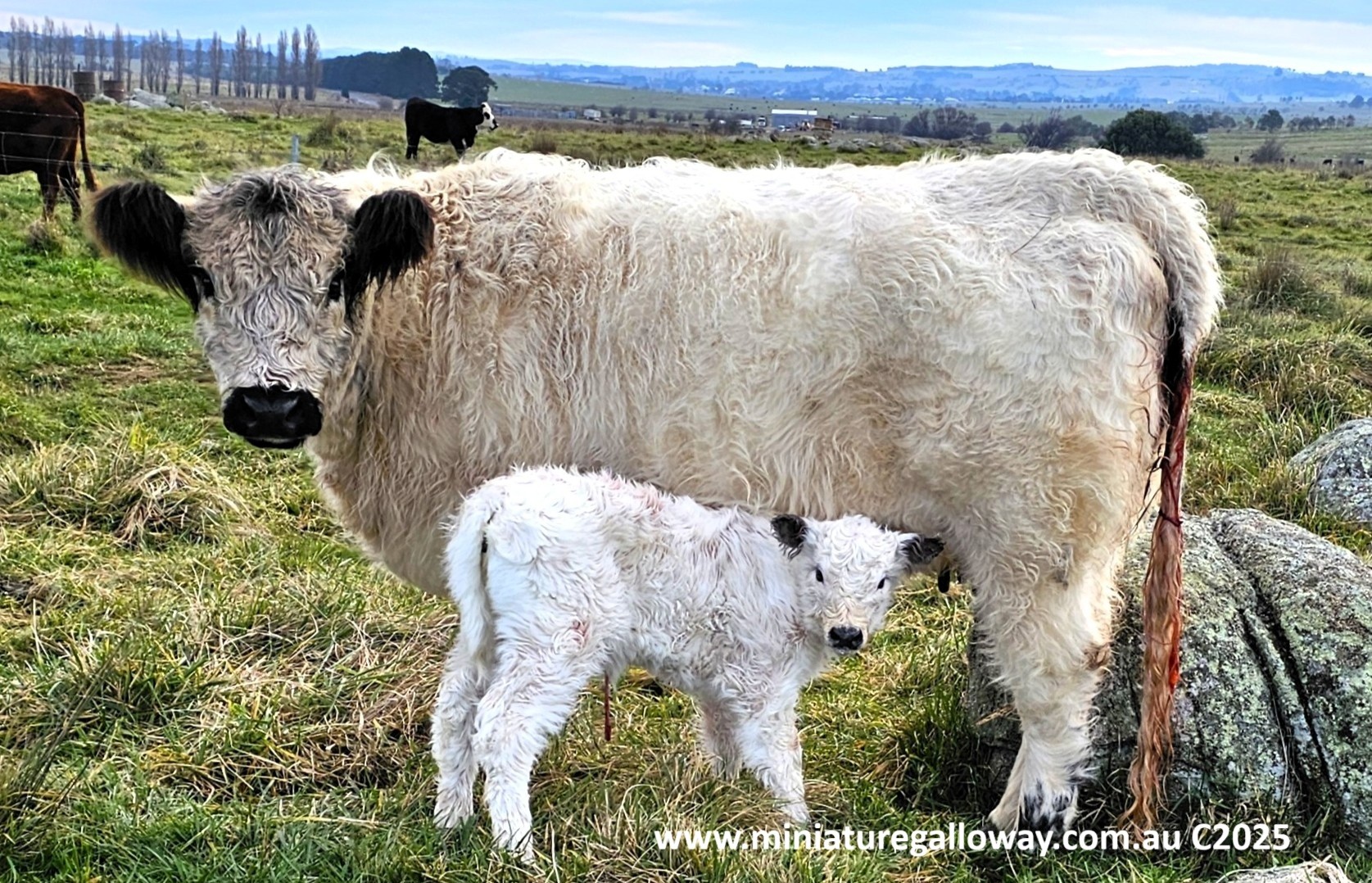
Transporting Beef Cattle
The following information is the bare minimum required to move beef cattle and calves that have had a very 'different' start in life compared to our stud cattle.
The safest time to transport pregnant cows is after day 60 day or in the early first 42 days after breeding, with the period between days 42 and 60 being the most stressful and risky.
Transporting heifers can also be stressful, but the primary concern is with pregnant cows. It is recommended to transport pregnant cows after day 60, or at least wait a week or two after day 42, to minimize the risk of stress-induced pregnancy loss.
Riskiest period: Days 42 through 60 of pregnancy, as this period can lead to increased foetal loss.
Safest Times:
During the first 42 days of pregnancy.
After day 60 of pregnancy.
In the cooler months of the year.
General Tips for Transporting Cows and Heifers
These tips are for cows and heifers. More care and consideration needs to be applied when deciding when and how to transport pregnant cows and heifers.
Avoid hot days: Do not transport cows on hot days, especially when humidity and/or the temperature is high, as heat stress can lead to pregnancy loss. Consider moving cattle long distances in autumn and winter.
Handle with care: Inexperienced technicians can increase the risk of foetal loss during transport, so please ensure that your transporters will handle the cows gently and carefully. We recommend people using people who have 'horse whisperer' qualities.
Consider the duration: The duration of the journey can also play a role in the stress levels of the animals. Most trips in Australia are long trips, so insist that the transporter break up the longer trips with time in the shade with water or overnight stays.
For Transporting Newborn Calves.
Again, please factor in that this information is the bare minimum considered for ordinary beef cattle. Remember - no one has ever kissed their little faces, brushed them or told them they are beautiful!
Legal requirements: In many places, calves must be at least five days old to be transported to an abattoir (let alone to a new home) and must have received a milk feed within six hours of leaving the farm.
Age vs. stress: While legally permissible, transporting very young calves (under a month old) is more stressful due to their underdeveloped following and herding behaviours. Transporting older calves (around one month) is less stressful.
When Transport is Unavoidable.
Minimum age: Calves must be at least 5 days old to be transported, unless going directly to a calf-rearing facility where they can be younger, but still must be fit and healthy.
Health and feeding: Calves must be healthy, free from scours, and have a dry navel. They must also have been fed milk or milk replacer within six hours of transport.
Condition: They should be fit to load, have firm and worn hooves, and appear adequately nourished.
Transport conditions: The journey should be as short as possible, and vehicles should have non-slip flooring, adequate ventilation, and protection from the elements. Drivers must check on the calves at least every two hours.
Why Waiting is Better for Calves
Behavioural development: Calves are in a "hider" phase for the first week of life, making them less responsive and more difficult to manage during transport.
Stress and injury risk: Young calves are not as adapted to cope with transport stressors, increasing their risk of injury or stress-related health problems.
Improved handling: Calves around 1-month-old are more robust and can better withstand the rigours of transport, including loading and unloading.
Transporting Heavily Pregnant Cows
The latest you can transport pregnant stud cows in Australia without risking loss of the calf is generally considered to be at or before 37 weeks of pregnancy. Transporting cattle known to be more than 37 weeks pregnant is restricted due to the risk, and they should not be transported to abattoirs or saleyards. For cattle that are more than 30 days pregnant but excluding the last 4 weeks, the maximum time off water is 24 hours, with a required 12-hour rest spell.
General guidelines for pregnant cattle transport
Before 37 weeks: Transport is generally permissible, but cows must be assessed as fit to travel. They must be able to walk unassisted, see well enough, be free from injury, and have had adequate water access beforehand. The maximum time off water can be up to 48 hours for other cattle, but this varies for different conditions, so always check your specific state guidelines.
After 37 weeks: Transporting heavily pregnant cattle is highly restricted. They should not be moved to abattoirs or sale yards. If transport is absolutely necessary for other reasons, the journey must be as short as possible, with the time off water being less than 4 hours, and a minimum of a 24-hour rest spell is required.
Important note: Always check the specific regulations in your state or territory, as they can have slightly different rules and requirements for transporting livestock.