Choosing Bulls, Cows, Heifers & Steers
The lifespan of well-looked-after stud cattle can be 20 - 25 + years, so it is worth quite a bit of thought. There are registered Galloway cows calving in their 20s (this makes them very valuable).
Cattle are herd animals, so to be fair, you need to have at least two. Some Galloway cattle are content to be paired up with other animals – sheep, alpacas, goats, donkeys and even miniature pigs. Other miniature cattle are better suited to being part of a herd of cattle (even if it is a small herd).
Steers: Castrated male cattle (testicles removed). Usually castrated quite young so that the little steer remains small and docile. Most breeders recommend a couple of steers for first-timers and people who are short on space. The advantage of steers is that you don't need to worry about all the complexities of running breeding cattle on yur property. These things are not a big deal if breeding is what you want to do. But if you just want a couple of no fuss pets, steers are the best option.
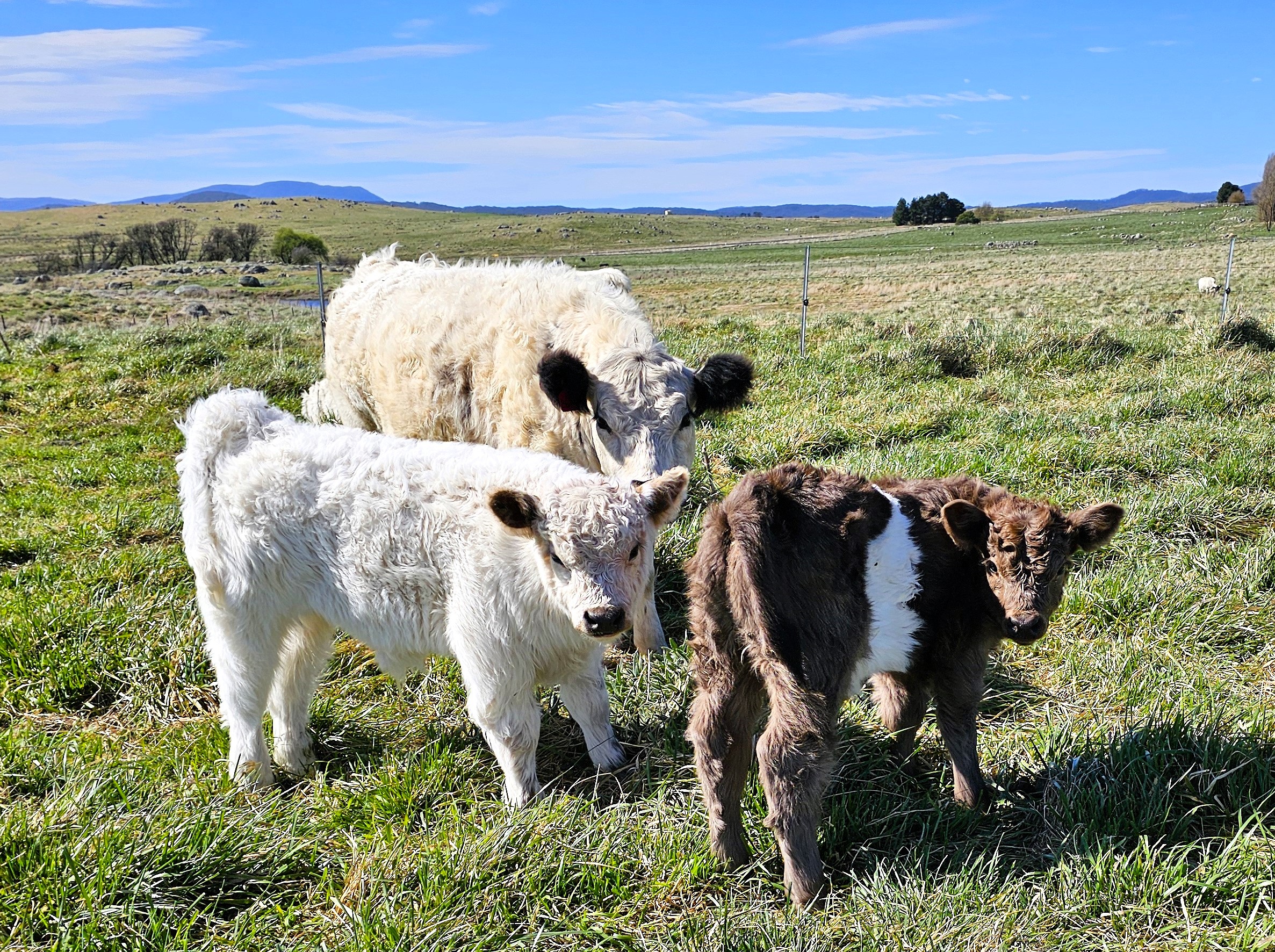
Heifers: Young female cattle that have not had their first calf. Most breeders recommend heifers to people wanting to enjoy the younger females while the people themselves 'learn the ropes' of the breeding process. Then these people can enjoy new calves on the property later on. However, if you don't have a bull or the means to have the heifers artificially inseminated, they will become a problem regularly when they start cycling if your neighbours do have bulls. Also, if heifers go to a new home on their own (without a more mature cow as company), the heifers will be novices with no experience when it comes to calving.
Heifers start to cycle from around 12 months of age. Their cycle is between 18 and 24 days (mostly 21 days). Other expressions for cycling include 'come into season', 'come into heat' or 'start bulling'. There are several different names that people use for it, but it means they are old enough to become pregnant and will become very receptive to a bull every 21 days. They will actively look for a bull for 1- 3 days every cycle. The heifers and cows will jump all over one another in the paddock when they are cycling. This can make it difficult to tell which one is actually in season. The bull has no problems knowing which one it is (he smells their pheromones).
It is unusual for Galloways to have calving problems, but if there is a problem, it will be a heifer giving birth to a bull calf as her first time. Bull calves have broader heads and bigger shoulders; this can make life difficult the first time around. (Suzanne has a bit of a suspicion that the bull calves may be a bit lazy and not want to get out and start looking after themselves!) 😁
With Galloway cattle, you don't need to start with heifers to ensure you get as many years of breeding out of them as possible (like with commercial breeds). Galloway cows calve well into their teens and sometimes their twenties. At Gold Creek we tend to join heifers at two years old and keep them until they have their first calf. This takes the pressure off first-time livestock owners.
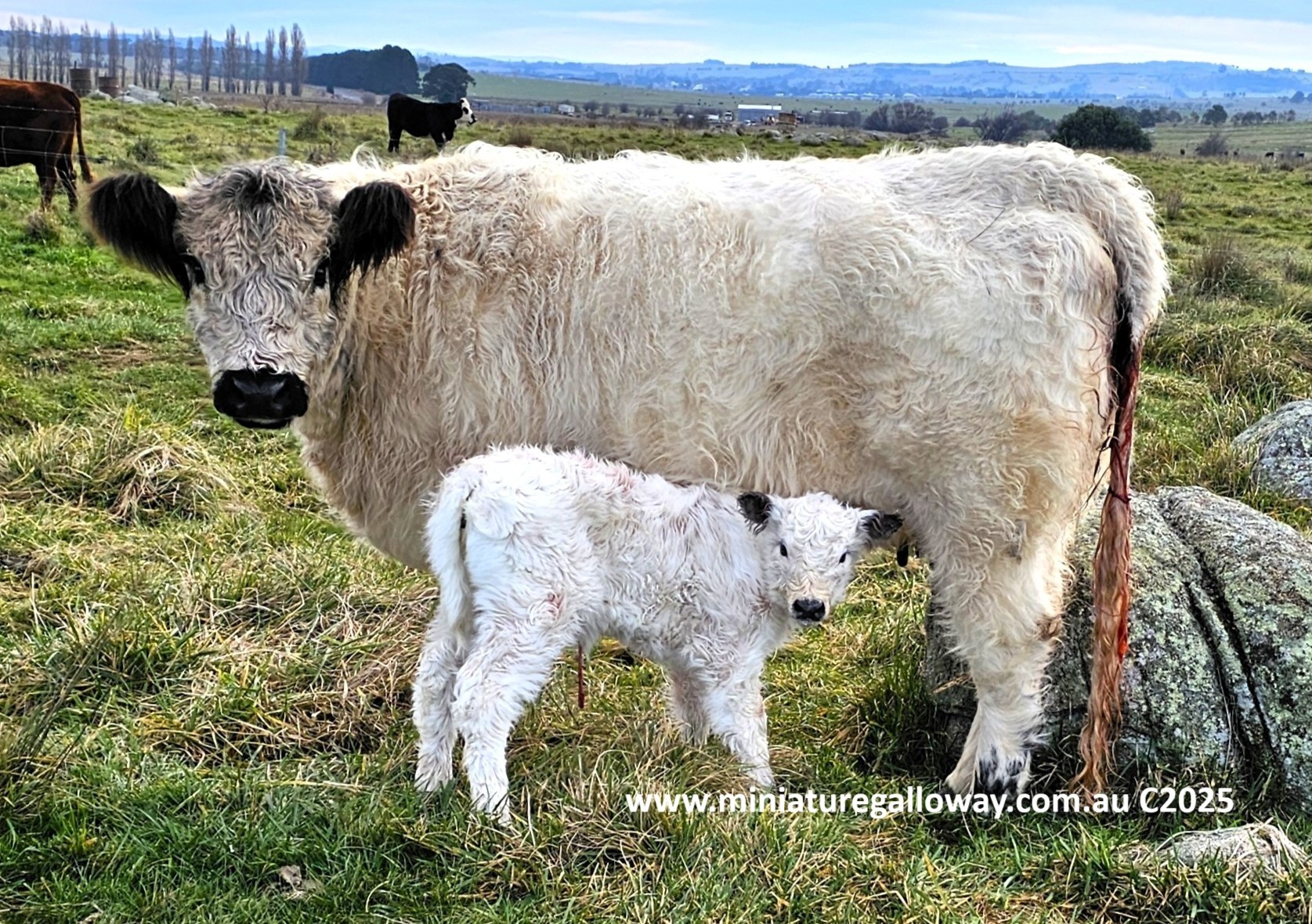
Cows: Mature female cattle that have had their first calf. Most breeders recommend cows to people who want calves sooner rather than later. Buying the cow pregnant is also an option. Buying a cow with a calf at foot is another option (you know exactly what you are getting). A cow in calf, with a calf at foot, is an even better option. Particularly if she is a very good cow. Cows are worth their weight in gold when it comes to not having to worry about them calving during the night when you are unable to easily assist them or call a vet if needed.
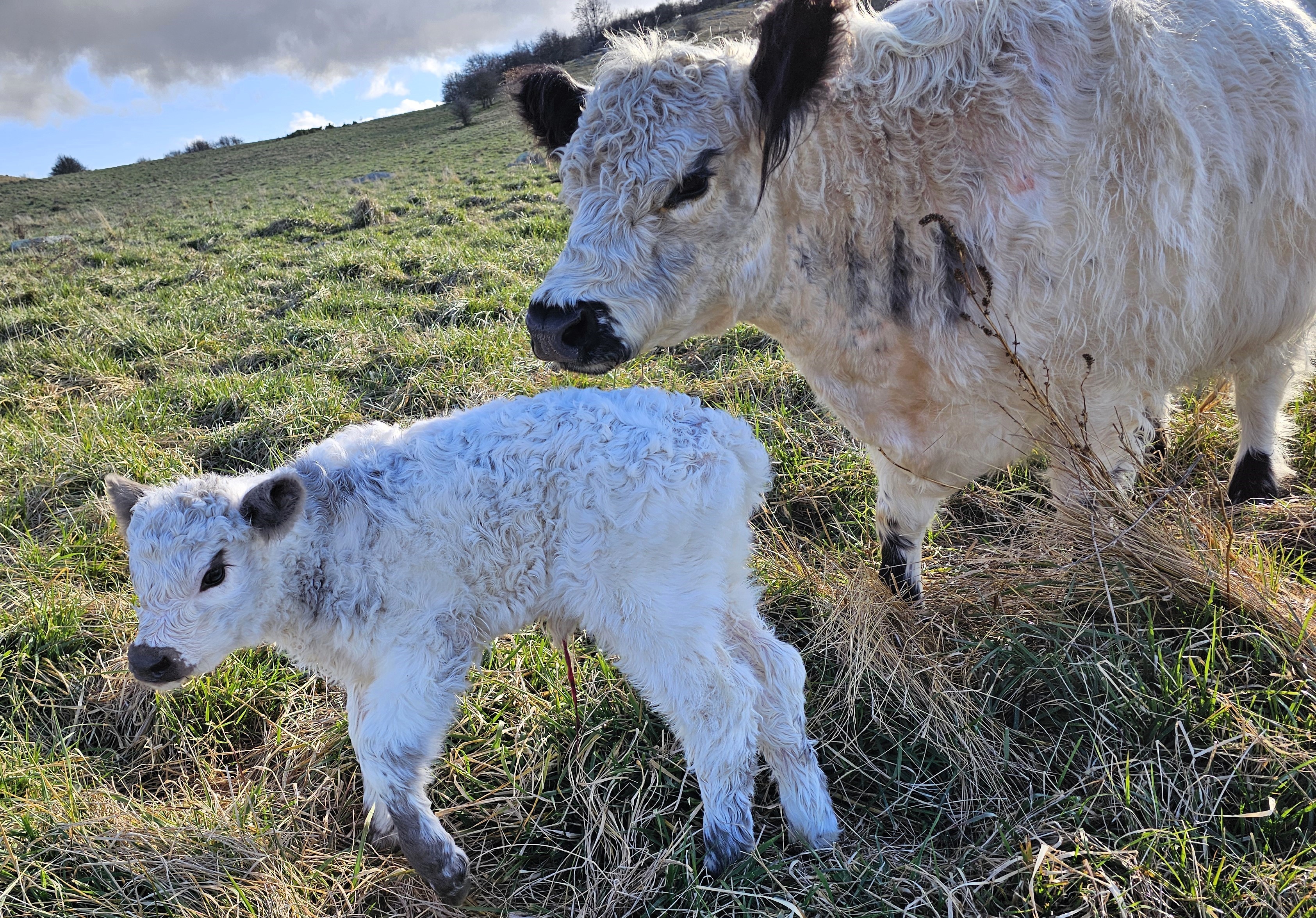
Bulls: Male cattle that have not been castrated. Most breeders don't recommend bulls to first-timers unless they want to breed and have at least a small herd to keep them busy. A bull who is not 'busy' will look for cows on adjoining properties.
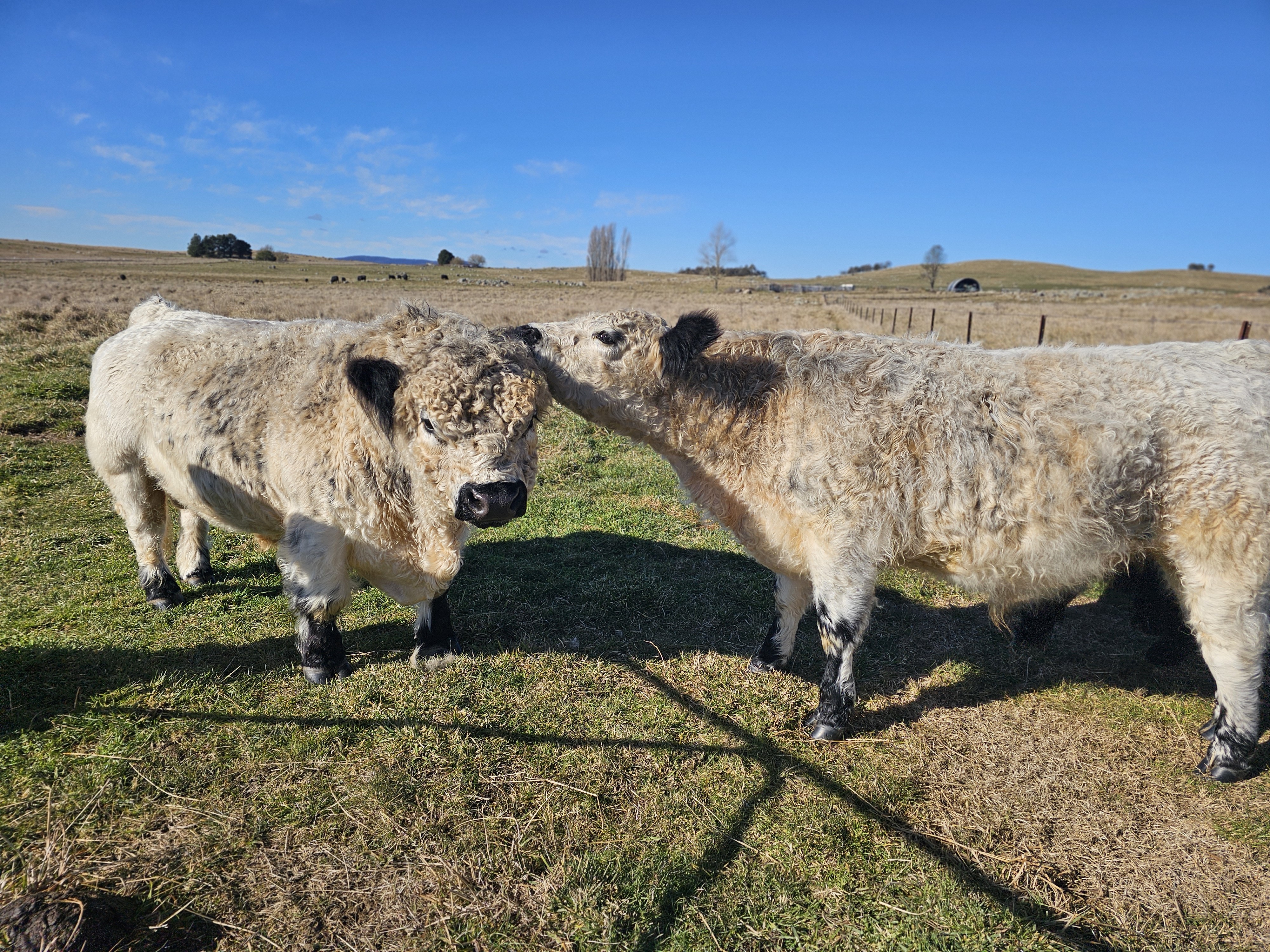
If you have cows and bulls, you will soon discover that their drive to join with a mate can be very strong. Strong enough to ignore or make a mess of your fences (if the fences are not well maintained or they don't have at least one live electric strand). Steers, if you get them young, are the easiest to manage. Steers don't go looking for a bull or a cow for joining purposes.
Unless you plan to have enough cows to keep a working bull working, you are better off making other arrangements. There will always be exceptions to any rule, and some little bulls are quite content to stay exactly where you put them. As long as they have the company of at least one steer, many Galloway bulls are fine with a 'small' herd. Gold Creek bulls are very content with a steer for company in the paddock (separate from the cows), especially once the bull comes to understand that they will get to work when the time is right.
Also, unless you are able to borrow a bull or pay to have your cows artificially inseminated, a cow that is cycling may go wandering in search of a bull. They can be very determined. Again, there are always animals that seem perfectly content regardless.
Galloway cows are renowned for their ease of calving. If you want to experience the joy of your very own calves, there is no reason why you should not buy some cows. Make sure you will have enough feed for the calves as they grow and that you have a plan for their future. You need to know what you are going to do with the calves by the time they turn six months old. Some miniature Galloways mature very early – both bull calves and heifers. You may need to separate males and females at a young age to prevent unwanted pregnancies. To avoid calving problems, many Galloway breeders believe it is better to let little heifers grow out (around two years old) before allowing them to join with a bull.